 PatchlineWeekly
The measurement
We have played Glasshouse Season continuously for two years and recorded every session: duration, number of distinct tasks completed, and how many of those tasks were things we chose to do rather than things the game asked for. Three hundred and eighteen sessions, logged by hand, spanning four content drops.
The reason for measuring this rather than simply describing it is that inflation in a simulation game is almost invisible from the inside. Sessions get longer by five minutes at a time. Daily obligations accumulate one at a time. Nobody notices the moment a hobby becomes an inbox, which is precisely why it needs to be counted.
What the numbers show
Average session length at launch was thirty-eight minutes. Two years and four content drops later it is forty-one. Across our other tracked simulations the equivalent figures rise by between forty and ninety per cent over comparable periods.
| Period | Average session | Tasks per session | Chosen vs required |
|---|---|---|---|
| Launch quarter | 38 min | 6.2 | 81% chosen |
| After drop 1 | 39 min | 6.4 | 80% chosen |
| After drop 2 | 40 min | 6.6 | 78% chosen |
| After drop 3 | 41 min | 6.5 | 79% chosen |
| After drop 4 (current) | 41 min | 6.7 | 77% chosen |
The stability of that final column is the whole story. Almost four fifths of what we do in this game after two years is still elective, and that ratio has moved by four percentage points in twenty-four months.
How they achieved it
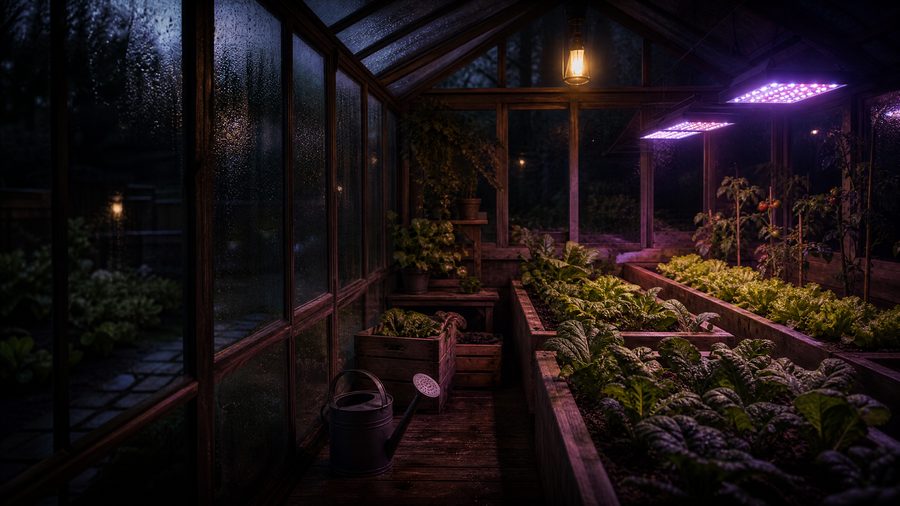
By adding sideways rather than upwards. Each content drop introduced new things to do that occupy the same position in the day as existing things, instead of stacking on top of them. The winter greenhouse added new crops; it did not add a new daily obligation, a new currency, or a new progression track that must be maintained alongside the old one.
Drop three introduced an entire new growing system and simultaneously retired two mechanics it superseded. In two years of tracking thirty-four games, this is the only instance we have recorded of a live game removing something because a new feature made it redundant.
What we would still change
- The calendar remains punishing. Missing a seasonal window still costs a real-world month, which is the one place the game imposes an obligation we did not choose.
- Late-game storage is unsolved. Two years of accumulated produce eventually becomes a filing problem, and drop four's warehouse only defers it.
- Weather variance is too gentle. After a hundred hours the seasons stop surprising you, and nothing in the four drops addressed that.
Why the score went up
Our original 8.1 was written six weeks after launch and contained a hedge: that the game was excellent but that its restraint might be an absence of content rather than a decision. Two years of tracking has settled that question. The restraint was deliberate, it has survived four opportunities to abandon it, and it is now the most valuable property this game has.
Revised to 8.9. The 8.1 remains on the record with its date, as does the reasoning for the change, in line with our revisions policy.