 PatchlineWeekly
 19 months open
Verge Protocol
Eleven balance patches, two score revisions. Every historical build reconstructed and played in order; the strongest version shipped fourteen months ago.
A file stays open while a game is still changing. We record patches, measure what they actually did, and revisit the verdict when the difference becomes material.
| Change type | Tracked | Triggers a revisit |
|---|---|---|
| Balance adjustment | Always | When cumulative effect alters how the game is played |
| Feature or mode removal | Always | Immediately |
| Progression or economy change | Always, measured daily | When acquisition rates move beyond noise |
| Performance work | Always, with recorded timings | When frame delivery changes materially |
| New content | Always | When it changes session structure, not merely volume |
| Bug fixes and stability | Logged, not analysed | Only if a fix alters behaviour we previously criticised |
19 months open
Eleven balance patches, two score revisions. Every historical build reconstructed and played in order; the strongest version shipped fourteen months ago.
 24 months open
Four content drops, zero core-loop changes. Session length logged throughout, and the only tracked simulation that has not inflated over time.
 11 months open
Ninety-four days of hand-recorded acquisition rates. The curve moved during a fortnight in which no changelog mentions the economy.
 26 months open
Our longest open file. The mode that carried its launch reviews was retired in month eight and has never been replaced.
 9 months open
Eight builds of recorded lap telemetry. A handling rewrite arrived described as a stability fix and improved the game considerably.
 14 months open
Two chambers simplified six months in. Both versions played consecutively; the original is harder, less popular and better.
 6 months open
Tracking only, not yet reviewed. A city builder whose simulation depth has increased with every update, which is unusual enough to keep watching.
 Method
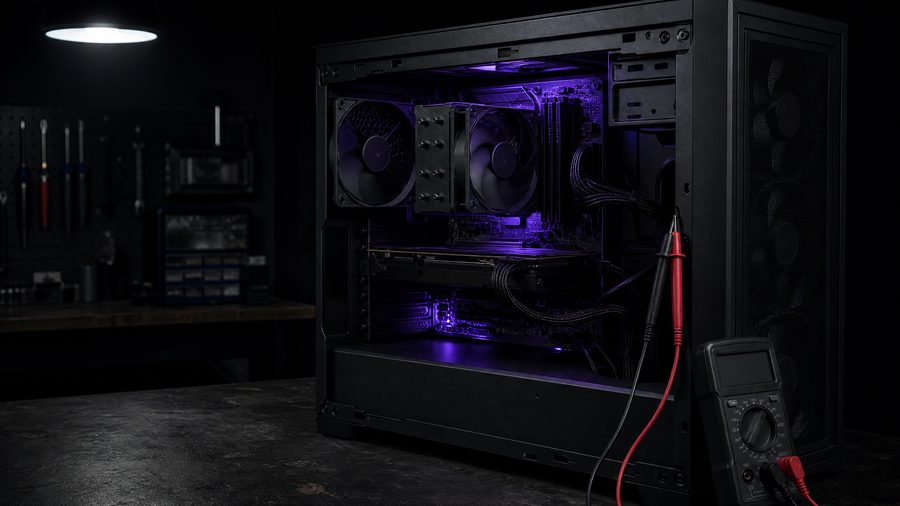
One fixed configuration, unchanged for two years, so that performance figures across builds remain comparable. Details on the standards page.